0207 608 5500





Search ideas, news and case studies
Blog Categories
Starting a Gardening Business? Here's What You Need to Know
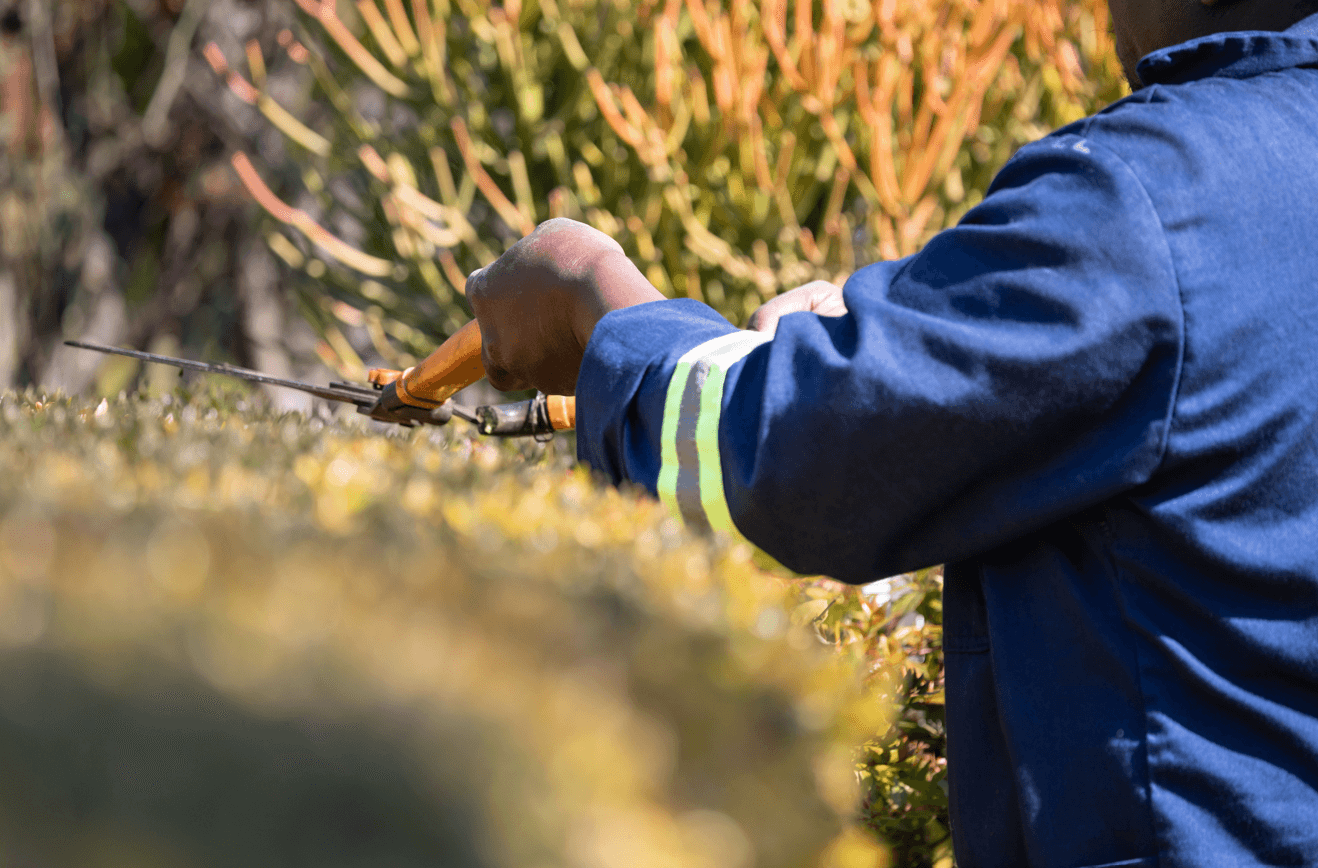

You may know your hydrangeas from your hollyhocks, but how clued up are you on the different company structures open to professional gardeners? Getting your setup right shapes everything that follows: your tax position, your insurance needs, and how you're able to grow.
Key Takeaways
- Most UK gardeners operate as either a limited company or a sole trader, and this decision shapes your tax, admin, and growth options.
- Your customer profile should guide your setup: commercial clients and larger contracts usually suit a limited company, while smaller domestic jobs often fit better as a sole trader.
- Limited companies must register for PAYE if they employ staff, and both structures should consider employers' liability, public liability, and equipment insurance.
- Sole traders benefit from simpler registration and lighter admin, while limited company directors can take a mix of salary and dividends and gain limited liability protection.
- Once you've decided on a structure, formation services can handle the registration and filings, plus help with VAT and accounting as you grow.
Which Structure Suits a Gardening Business?
Most UK gardening businesses operate either as a limited company or as a sole trader. Limited companies tend to employ staff and work at a larger scale, while sole traders more often work alone, sometimes bringing in subcontractors when needed.
Your choice should come down to who you're working for, what insurance and payment systems you're comfortable managing, and which structure genuinely suits how you plan to grow.
Does My Customer Base Affect Which Structure I Should Choose?
Yes, significantly. If you're aiming to work with commercial clients, hotels, business parks, or larger estates, you'll likely need multiple staff on a permanent basis, which points toward a limited company. If you're working on a smaller scale with private clients and homeowners, sole trader status is often the simpler fit.
Being a sole trader doesn't mean working entirely alone, you can bring in subcontractors when needed. Just be careful how you treat them: if a subcontractor's work looks too much like regular employment, set hours, ongoing full-time work, they may be entitled to employee rights regardless of how you've labelled the arrangement. Limited companies can also use temporary staff, which is genuinely useful given how much bad weather and short winter days can affect a gardener's working hours.
What Do I Need to Know About Payments and Insurance?
Limited companies need to register for PAYE if they employ staff, the system HMRC uses to track employee earnings and tax owed, done through HMRC's PAYE Online service. If you're a sole trader working with subcontractors under your direct supervision, direction, or control, you may need to set up PAYE too.
The moment you have anyone working for you beyond yourself, employer's liability insurance becomes a legal requirement, covering compensation claims if a staff member is injured or made ill through their work. Public liability insurance is also worth having if you're working anywhere with public access, covering claims from members of the public affected by your work. And given how expensive gardening equipment can be, scarifiers, ride-on mowers, hedge trimmers, equipment insurance is genuinely worth considering too, since theft or damage can be a real setback for a business just starting out.
Beyond protecting the business itself, proper insurance is often expected by clients, particularly commercial ones, who may simply decline to work with an uninsured gardener.
Which Option Actually Makes More Business Sense?
For most gardening businesses, a limited company tends to be the more financially advantageous option long-term, while sole trader status keeps admin and financial responsibilities lighter.
Limited company directors typically take a smaller salary topped up with dividends, which don't attract National Insurance the way employment income does. Sole traders, by contrast, still pay Class 4 National Insurance on profits above the relevant threshold, alongside Income Tax, though most no longer pay a separate Class 2 contribution since this was effectively replaced by an automatic credit from April 2024. Limited companies also come with limited liability, meaning directors aren't personally liable for the company's debts if things go wrong.
Sole trader status remains genuinely simple by comparison: register with HMRC, then file a yearly Self Assessment return.
Once you've settled on a structure, our range of company formation packages can help you register properly, whether that's as a sole trader or limited company, plus support with VAT registration, accountancy, and everything else that follows.
FAQs
Do I need to register my gardening business as a sole trader or a limited company?
Either works. Sole trader registration is simpler and suits smaller domestic work, while a limited company offers more protection and can look more established for commercial contracts.
How do I register as a sole trader for my gardening business?
Through HMRC's Self Assessment system, providing your personal details, describing your business, and filing a tax return every year.
How do I set up a limited company for a gardening business?
Register with Companies House, providing a company name, registered office address, and at least one director and shareholder. Once formed, you'll file accounts and a Confirmation Statement every year.
Do I need insurance for my gardening business?
Most gardening businesses need at least public liability insurance. Employer's liability insurance is a legal requirement if you employ staff, and equipment insurance is worth having given how expensive gardening machinery can be.
How do gardeners get paid when running their own business?
Sole traders are paid directly by clients and keep records for tax purposes. Limited companies pay employees through PAYE, with directors typically taking a mix of salary and dividends.
What skills or qualifications do I need to start a gardening business?
No formal qualifications are required, though practical skills and plant knowledge matter. Some gardeners take short horticulture courses, and reliability and customer service count for a great deal too.
How much can I earn running a gardening business?
It varies with location, experience, and whether you focus on domestic or commercial work. Many gardeners charge hourly, while others use fixed-price jobs, with regular maintenance contracts often boosting income as the business grows.
This article is for general information only and does not constitute legal, tax, or financial advice. Tax rules and thresholds can change, so it's worth checking current guidance on GOV.UK or speaking to a qualified accountant.