0207 608 5500





Search ideas, news and case studies
Blog Categories
I'm Setting Up My Own Pop-Up Food Stall, Is It Worth It?
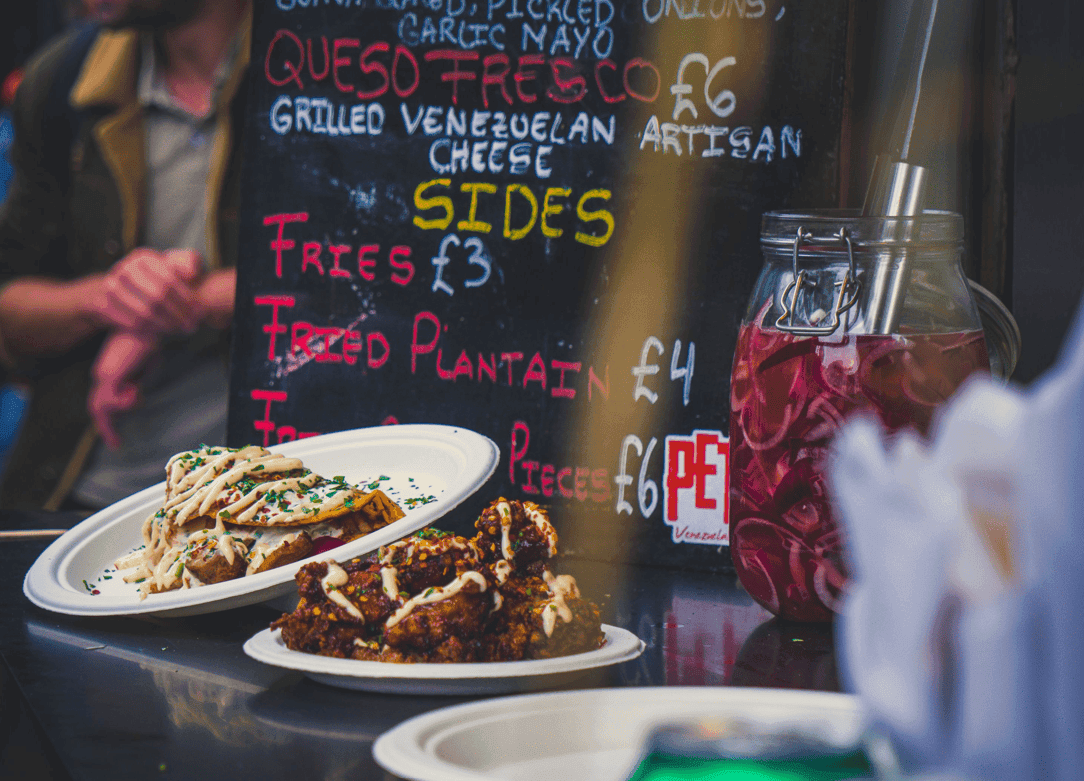

Start-up costs typically fall in the low-to-mid £1,000s, and a successful stall can see profit margins around 20%, genuinely achievable if you get the fundamentals right. Whether it's actually worth it for you comes down to how you weigh the freedom against the trade-offs.
Key Takeaways
- Start-up costs are usually low-to-mid £1,000s, with profit margins around 20% achievable once established.
- You'll be your own boss, with flexible hours and lower risk than a restaurant, but without the security of a regular paycheck.
- Getting your product and location right matters as much as compliance, and it can take a year or two to fully work out.
- Successful stalls tend to run tight, focused menus, 4 to 5 items done well beats a long list done adequately.
- For the full registration and compliance process, our guide to starting a street food business in the UK covers it in depth.
Is It Actually Worth Setting Up a Pop-Up Food Stall?
There are genuine upsides: being your own boss, flexible hours that work around you, lower risk than opening a full restaurant, and real potential to build both income and reputation. The trade-off is the security a regular paycheck brings, which running your own stall doesn't offer, especially in the early months while you're building a customer base.
It's a rewarding path, but not an effortless one. Beyond the cooking itself, there's regulation, admin, and often staffing to get right too.
How Do I Choose the Right Location and Product?
Understanding your location and audience matters as much as getting your compliance right, and there's no fixed formula, it can genuinely take a year or two to dial in properly. A good starting point is market research: look at competitor stalls nearby, along with other restaurants and food businesses in the area.
Deciding what to actually sell is often simpler, since it's usually the reason you wanted to do this in the first place. Keep in mind that stall customers want something quick and easy, so resist the urge to overload your menu. Some of the most successful food stalls run on just 4 to 5 items done exceptionally well, rather than a long list done adequately.
What About the Regulations and Compliance Side?
The same registration, hygiene certification, and insurance requirements apply here as any UK food stall: registering with your local authority at least 28 days before trading, Level 1 or 2 Food Hygiene certificates depending on your role, employer's liability insurance if you hire staff, and regular health and safety checks. Joining a trade body like NCASS (National Caterers Association) is worth it too, for guidance and templates as you get set up.
For the full breakdown of registration, HMRC, VAT, and insurance, our guide to starting a street food business in the UK covers it properly.
FAQs
How much does it cost to start a pop-up food stall?
Typically low-to-mid £1,000s, with profit margins around 20% achievable once the business is established.
Is running a food stall less risky than opening a restaurant?
Generally yes, lower overheads and start-up costs mean less exposure than a full restaurant, though it comes without the security of guaranteed income.
How do I know what to sell and where to set up?
Research competitor stalls and nearby food businesses, and expect it to take time to properly dial in your product and location, often a year or two.
How big should my menu be?
Small and focused. Successful stalls often run 4 to 5 items done exceptionally well, rather than a longer menu spread thin.
This article is for general information only and does not constitute legal, tax, or financial advice. For the full registration and compliance process, see our guide to starting a street food business in the UK.