0207 608 5500





Search ideas, news and case studies
Blog Categories
What You Need to Know Before Opening Your Coffee Shop
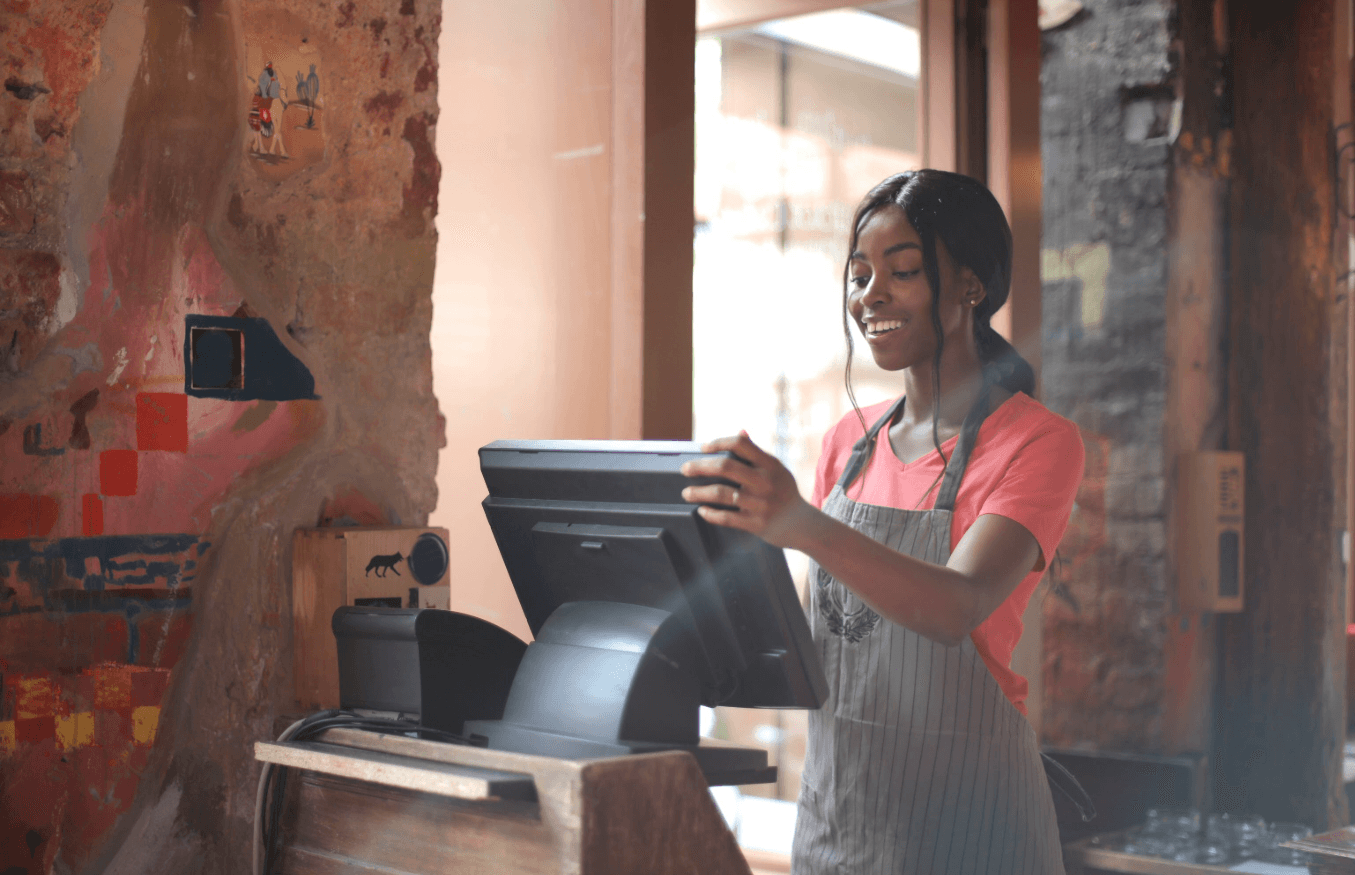

Independent coffee shops are genuinely thriving against the big chains, and customers increasingly prefer them precisely because they can't be replicated at scale. Getting there means covering a specific set of practical basics first: sourcing, legal compliance, insurance, and the right business structure.
Key Takeaways
- Community crowdfunding can raise investment while building a loyal local fan base with a genuine stake in your success.
- Ethical sourcing, Fair Trade or Direct Trade, matters to independent coffee shop customers, and it's worth prioritising alongside quality.
- Choose your coffee supplier carefully: request samples, and confirm they can handle short-notice emergency deliveries.
- Your premises need to meet food hygiene standards and hold the right licences, for music, outdoor seating, or advertising boards.
- Weigh up sole trader versus limited company early, since a coffee shop's physical premises and staff carry more risk than many other small businesses.
Why Independent Coffee Shops Are Thriving
Community-sourced crowdfunding has made it genuinely easier to raise meaningful investment locally. Inviting your community to invest in your coffee shop builds an early fan base with a real stake in the business, and offering incentives, discounts, or founder perks in return both raises funds and spreads word of mouth.
Beyond funding, sourcing matters to how your shop is perceived. Customers increasingly expect independent coffee shops to reflect genuine ethical values, even if it costs a little more than the cheapest option available.
How Do I Source Coffee That Actually Competes With the Big Chains?
Fair Trade is a solid, cost-effective starting point that shows customers where their money's going. Direct Trade goes further, removing middlemen so workers receive a higher premium, sometimes 25% above Fair Trade pricing. Organic coffee is a bigger investment again, but it's a genuine differentiator on a high street where customers are actively looking to support ethical, independent businesses.
Since big chains win on consistency, your best route to competing is quality. Don't commit to a supplier without tasting samples first, and check they can handle regular deliveries reliably, plus emergency short-notice orders if your stock runs low unexpectedly. Shortlist a few suppliers and compare them properly rather than settling on the first one that seems reasonable.
What Legal and Licensing Requirements Apply to a Coffee Shop?
You'll need to register your premises with your local authority's environmental health department, and this needs doing at least 28 days before opening, not as an afterthought once you're ready to trade. Depending on your setup, you may also need a Premises Licence for alcohol, a music licence for background or live music, or a pavement licence for outdoor tables and chairs. GOV.UK covers most of these applications directly.
Food hygiene compliance is genuinely central to running a cafe. You'll need a food safety management system built around HACCP principles (Hazard Analysis and Critical Control Point), covering cleanliness, staff training, and accurate records of things like fridge temperatures and allergen information. Getting this right is what earns you a strong Food Hygiene Rating, which customers increasingly check before choosing where to go.
What Insurance Does a Coffee Shop Actually Need?
At minimum, public liability insurance to cover customer accidents, spills, slips, hot drink scalds, and employers' liability insurance, a legal requirement the moment you hire any staff. Buildings and contents insurance covers your equipment and stock, and business interruption insurance protects your income if you're ever forced to close temporarily.
Catering businesses carry a genuinely higher accident risk than many other small businesses, given the hot equipment and constant food preparation, so it's worth taking this seriously rather than treating it as a formality.
Sole Trader or Limited Company for a Coffee Shop?
As a sole trader, setup is simpler, your accounts aren't subject to audit, and accountancy costs stay relatively low. The trade-off is personal liability: business debts are your debts, and your personal assets are exposed if things go wrong.
A limited company takes more to set up, and comes with real ongoing obligations, filing accounts, Corporation Tax, and Confirmation Statements with Companies House, all part of the public record. What you get in return is genuine separation between you and the business, which matters more for a coffee shop than it might for some other small businesses, given the commercial lease, staff contracts, and equipment risk involved. Many companies also prefer working with limited companies over sole traders if you're looking to build supplier relationships. Our guide to sole trader vs limited company covers the fuller comparison.
Whichever structure fits, our range of company formation packages can help you get registered properly from the start.
FAQs
Do I need a specific licence to open a coffee shop in the UK?
There's no single "coffee licence," but you must register your premises with your local authority's environmental health department at least 28 days before opening. Depending on your business model, you may also need a Premises Licence for alcohol, a music licence, or a pavement licence for outdoor seating.
Should I register my coffee shop as a sole trader or a limited company?
A limited company is often recommended for coffee shops specifically, since it offers limited liability protection against the higher risks of running physical premises, staff contracts, and commercial leases. Sole trader status is simpler to set up, but leaves you personally liable for business debts.
How do I find the best coffee beans for my independent shop?
Research local roasters and request samples to find a blend that fits your brand. Look for Fair Trade or Direct Trade suppliers, and confirm they can offer reliable, short-notice deliveries so you're not caught out during busy periods.
What insurance policies are essential for a new coffee shop?
Public liability insurance at minimum, plus employers' liability if you hire staff. Buildings and contents insurance and business interruption insurance are also worth having.
Can I use crowdfunding to start a coffee shop?
Yes, and it's an increasingly popular route. Offering rewards like discounted coffee or founder memberships can raise capital while building a loyal customer base from before you even open.
What are the main food hygiene requirements for a cafe?
A food safety management system based on HACCP principles: cleanliness, staff training, and accurate records covering fridge temperatures and allergen information. This underpins your Food Hygiene Rating.
This article is for general information only and does not constitute legal or financial advice. Licensing and insurance requirements can vary by location, so it's worth checking current guidance with your local authority before opening.