0207 608 5500





Search ideas, news and case studies
Blog Categories
Setting Up Your Interior Design Business: Sole Trader vs Limited Company
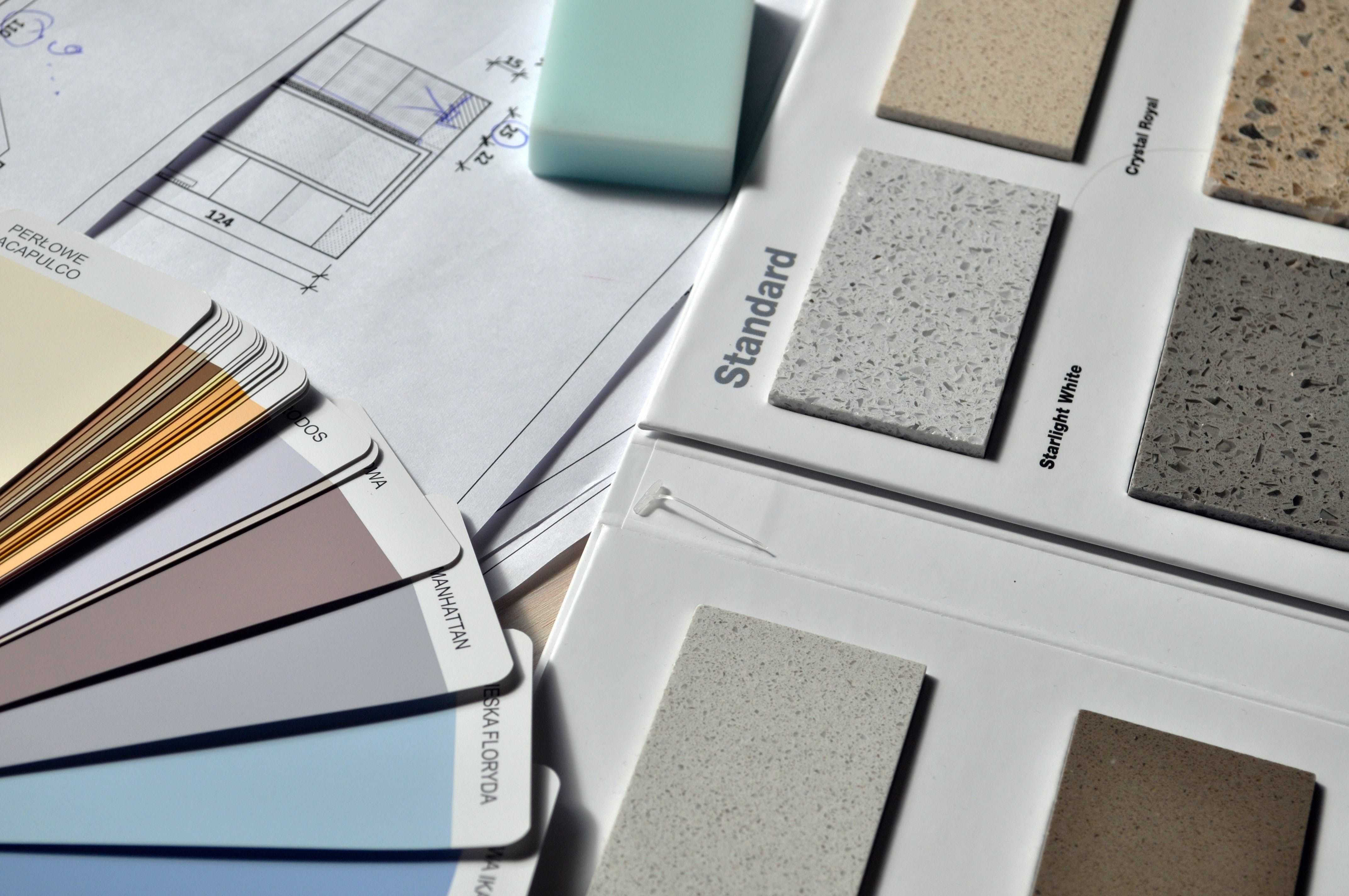

So you're thinking about forming your own interior design business? Good timing. Social media has made it easier than ever to showcase your work and reach the clients who need it. Before you launch, though, there's one structural decision worth getting right early: sole trader or limited company.
Key Takeaways
- The right choice depends on your current scale, growth plans, and how much personal risk you're comfortable carrying.
- Sole trader status is simpler to set up and manage, which suits many freelance designers starting out.
- A limited company gives you limited liability, keeping your personal assets separate from business debts.
- Limited company directors can combine salary and dividends, which can be more tax-efficient depending on profit level.
- A limited company can add credibility with corporate clients and larger suppliers, who sometimes prefer working with registered companies.
Sole Trader or Limited Company: What's the Actual Difference?
Starting out as a sole trader is straightforward: notify HMRC, register for Self Assessment, and file a tax return each year. You'll need to keep records of income and expenses, and register for VAT once your annual turnover exceeds £90,000. You can trade under any name, provided it isn't already in use, and if protecting your brand matters to you, registering a trademark with the Intellectual Property Office is a separate step worth considering, distinct from checking company name availability.
A limited company, by contrast, is registered with Companies House and legally separate from you personally. This means the company itself enters contracts and carries its own liabilities, rather than you personally. It sounds like the more daunting option, but registration is quick, typically completed within a few hours online, once you've checked your chosen name is available. Our guide to sole trader vs limited company covers the fuller comparison if you want more detail before deciding.
What's the Financial Difference?
As a sole trader, there's little legal distinction between you and the business, so business debts become personal debts, and your assets, including your home, aren't protected. A limited company changes this: owners are only liable up to the value of their investment or guarantee, thanks to limited liability.
Which suits an interior design business better depends on how you're starting out. If you're working solo on a freelance basis, sole trader status is usually the more manageable route financially. If you're starting with a team and an existing client portfolio, a limited company can help with things like securing a business loan for office space, since banks tend to favour the structure, and it can make it easier to access investment for equipment, software, or marketing.
What's the Tax Difference?
As a sole trader, you pay Income Tax on business profits through Self Assessment, filing a return every year with a 31 January online deadline.
As a limited company director, you have more flexibility. You can take a salary, taxed through PAYE, and profit as dividends, taxed at a different rate. Corporation Tax currently sits at 19% on profits up to £50,000 and 25% above £250,000, with marginal relief tapering the rate in between.
Whether this ends up more tax-efficient depends on your specific profit level, so it's worth getting proper accountancy advice rather than assuming either structure automatically wins. If you're working solo from home with fairly modest turnover, sole trader status, with its simpler admin and higher VAT threshold, might suit you better, at least to begin with.
What's the National Insurance Difference?
As a sole trader, you pay Class 4 National Insurance on your profits: 6% between £12,570 and £50,270, and 2% above that. Compulsory Class 2 National Insurance was abolished from April 2024, so if your profits are above the Small Profits Threshold, currently £7,105, you're treated as having paid it automatically, with nothing to hand over. Below that threshold, you can choose to pay voluntary Class 2 contributions, currently £3.65 a week, to protect your State Pension record.
As a limited company director taking a salary, both employee and employer National Insurance apply: 8% employee contributions between £12,570 and £50,270 (2% above), and 15% employer contributions on earnings above £5,000, which can add up to a higher overall cost than sole trader NI in some cases.
For a solo interior design business, sole trader status often works out simpler on the National Insurance front, though this is worth weighing alongside the tax and liability differences above rather than in isolation.
Which Structure Builds More Credibility?
If you're promoting yourself as the business, sole trader status can work perfectly well. But if you're planning to eventually hire a team of designers, a limited company can help establish a clearer brand identity, which matters in an industry where standing out as reputable counts for a lot.
Trading as a limited company can also lend a more professional image, since you've been through a formal registration process. This matters particularly for corporate interior work, where some larger organisations prefer working with registered companies over sole traders, and it can help when opening trade accounts with bigger suppliers, a major furniture manufacturer, for instance, who may prefer dealing with established companies.
Whichever structure you choose, weigh up your options against how you actually intend to grow. If you're ready to get started, our range of company formation packages can help make the registration process straightforward.
FAQs
Is it better to be a sole trader or a limited company as an interior designer?
It depends on your goals and how much personal risk you're comfortable with. Sole trader status is simpler to set up, while a limited company protects your personal assets and can be more tax-efficient as earnings grow. Many designers start as sole traders and move to a limited company later.
How does limited liability protect my interior design business?
It keeps your personal finances legally separate from the company. If the business fails or faces a legal claim, you're generally only liable for what you've invested in the company, unlike as a sole trader, where you're personally responsible for all business debts.
Can I change from a sole trader to a limited company later?
Yes, at any point as your business grows. This involves registering a company name with Companies House and informing HMRC of the change, and moving your business banking and any professional indemnity insurance into the new company name.
What are the main tax differences between the two structures?
Sole traders pay Income Tax on all business profits. Limited companies pay Corporation Tax on company profits, and directors can often reduce their personal tax bill by combining a smaller salary with dividends, though limited companies carry more complex accounting requirements in return.
Does being a limited company help me win more design contracts?
It can. Many larger organisations prefer working with limited companies, due to their perceived stability and public filing transparency, and it can make it easier to open trade accounts with high-end suppliers.
What administrative responsibilities come with a limited company?
More paperwork and stricter deadlines than a sole trader: annual accounts and a Confirmation Statement with Companies House, a Company Tax Return with HMRC, and accurate statutory registers recording your directors, shareholders, and People with Significant Control.
This article is for general information only and does not constitute legal or tax advice. Tax rates, thresholds, and National Insurance rules change, so it's worth checking current guidance on GOV.UK or speaking to a qualified accountant before choosing a business structure.