0207 608 5500


Search ideas, news and case studies
Blog Categories
Starting a Trade Business? Here's What You Need to Know
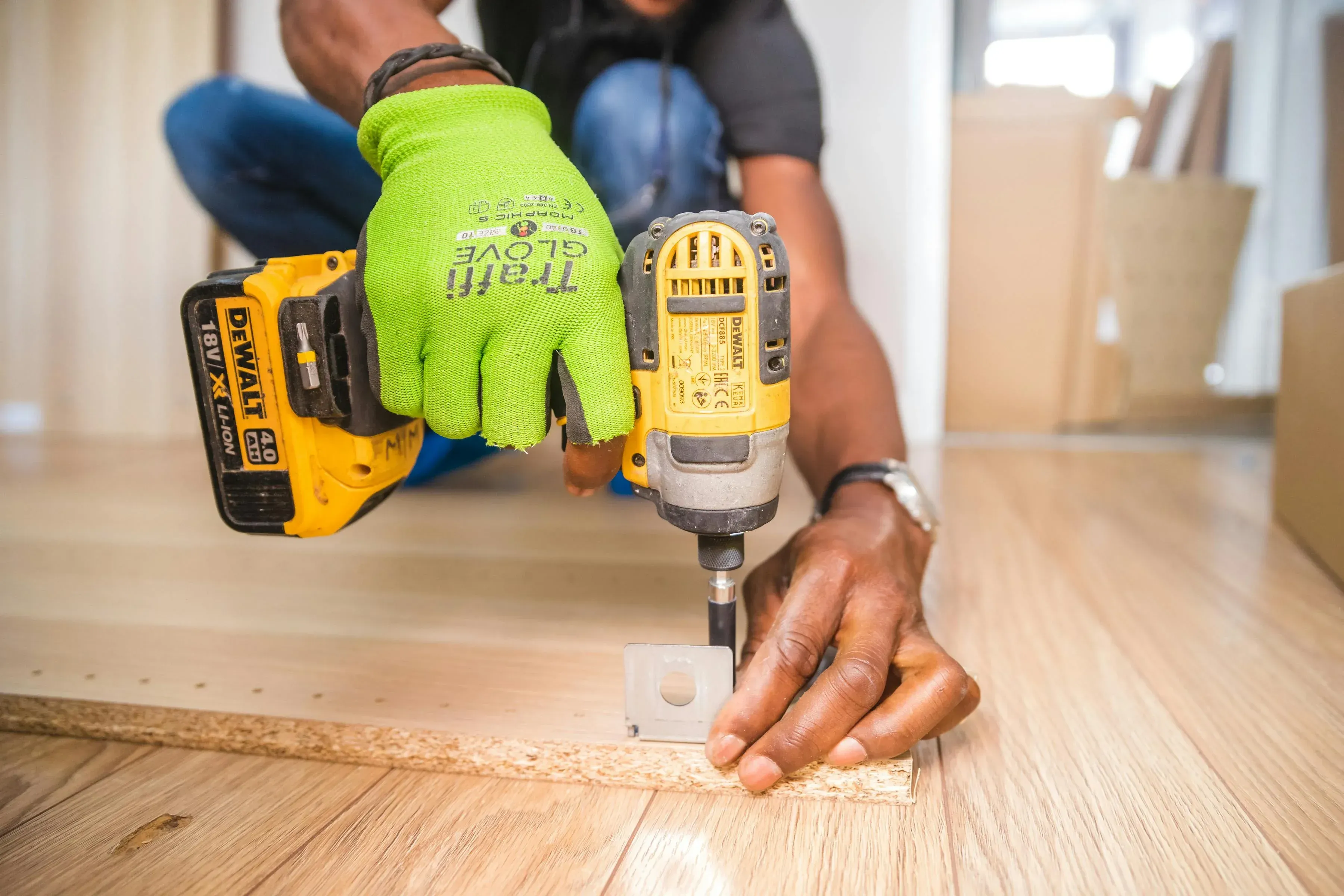

Going solo as a plumber, electrician, carpenter, or any other trade means your craft alone isn't enough anymore. The business side, admin, contracts, structure, marketing, is what determines whether the business actually holds up once the novelty of being your own boss wears off.
Key Takeaways
- More than half your work will likely come through recommendations and word of mouth, so your craft and reputation need to be genuinely solid before you go solo.
- Trades with regulatory requirements, Gas Safe registration for gas work, for example, need current qualifications kept up to date, not just obtained once.
- You'll need to manage bookkeeping, contracts, and your own time on top of the actual trade work itself.
- Sole trader and limited company work very differently: sole trader is simpler with fewer obligations, limited company offers liability protection and different tax treatment in exchange for more admin.
- If you form a limited company, directors and PSCs also need to complete identity verification with Companies House, a requirement since November 2025.
Get Your Workmanship and Reputation Right First
Before anything else, your craft needs to be genuinely solid. Trade work runs heavily on recommendations and word of mouth, so your workmanship and attitude on the job matter as much as any marketing you'll do later.
Some trades carry specific regulatory requirements, Gas Safe registration for gas work being the clearest example, and staying current with these isn't optional. Clients expect full qualification and proper adherence to health and safety requirements as standard, not a bonus. Beyond the technical side, running your own business also takes real self-motivation, since there's no one else keeping you on track.
What Business Skills Do I Actually Need?
Running your own trade business means you're doing considerably more than the trade itself. Books, contracts, scheduling, and your own time all need managing alongside the actual jobs.
Bookkeeping and accounting. Tracking invoices, material costs, transport, marketing spend, and any staff costs matters from day one. Accounting software can handle a lot of this automatically, and for a small or micro business without the time or manpower to manage everything manually, it's often a genuinely good investment rather than a nice-to-have. Our guide to managing finances as a small business owner covers this in more depth.
Contracts and agreements. Drafting proper contracts protects both you and your clients from misunderstandings later. A good one should cover the scope of work, payment terms, including what happens with late payment, and any other project-specific details worth setting out clearly upfront.
Time management. Between the actual jobs, scheduling, and running the business side, time management becomes a genuine skill in itself. A simple diary covering upcoming jobs, payments, and staff hours goes a long way toward keeping things organised and manageable.
Marketing and branding. Social media, particularly Instagram, is genuinely useful here. Photos, videos, and testimonials from real jobs give prospective clients something to check before hiring you, especially once word of mouth has already got them curious. A strong before-and-after photo can be exactly what tips someone from considering you to actually booking you.
Should I Be a Sole Trader or Set Up a Limited Company?
Sole trader. Simpler to set up, with fewer ongoing obligations. You file a Self Assessment return and pay Income Tax on your profits. Since April 2024, most self-employed people no longer pay Class 2 National Insurance, since it's been effectively replaced by an automatic credit once your profits are above the Small Profits Threshold, though Class 4 National Insurance still applies on profits above the relevant threshold. You can still employ staff and claim allowable expenses as a sole trader, but you and the business are legally the same thing, so you're personally liable for its debts.
Limited company. A separate legal entity from you personally, so company debts aren't automatically your debts. This also makes it easier to pass the business on in future, since it isn't legally tied to you as an individual. Company profits are taxed through Corporation Tax, currently 19% on profits up to £50,000 and 25% above £250,000, and directors can take a mix of salary and dividends, which can be more tax-efficient depending on profit level. In exchange, you take on more ongoing admin: annual accounts and a Confirmation Statement filed with Companies House, and a separate Company Tax Return filed with HMRC. Since November 2025, directors and PSCs also need to complete identity verification with Companies House.
Our guides on what a dividend is and how to pay yourself as a director cover the practical side of this in more depth, and our full sole trader vs limited company comparison walks through the fuller picture.
If a limited company's the right fit, our range of formation packages can get you registered properly from the start.
FAQs
Do I need specific qualifications to start a trade business?
It depends on the trade. Some, like gas work, carry mandatory regulatory requirements (Gas Safe registration, for example) that need staying current, not just obtained once.
Do sole traders still pay Class 2 National Insurance?
Not usually. Since April 2024, most self-employed people are treated as having paid it automatically once profits are above the Small Profits Threshold, with no separate payment required. Class 4 National Insurance still applies above its own threshold.
Does a limited company only pay Corporation Tax?
The company itself pays Corporation Tax on its profits, but directors also pay personal tax on any salary or dividends they take, so it isn't the whole tax picture.
Do I file my Confirmation Statement with HMRC or Companies House?
Companies House. HMRC receives a separate Company Tax Return. The two are different filings with different recipients.
Is a limited company better than a sole trader for a trade business?
It depends on your risk tolerance, income, and plans. A limited company offers liability protection and potential tax efficiency, but comes with more admin. Many tradespeople start as sole traders and incorporate later.
This article is for general information only and does not constitute legal or tax advice. Tax rates and requirements can change, so it's worth checking current guidance on GOV.UK or speaking to a qualified accountant.