0207 608 5500





Search ideas, news and case studies
Blog Categories
Corporate Directors: Is the Company EEA or Non-EEA?
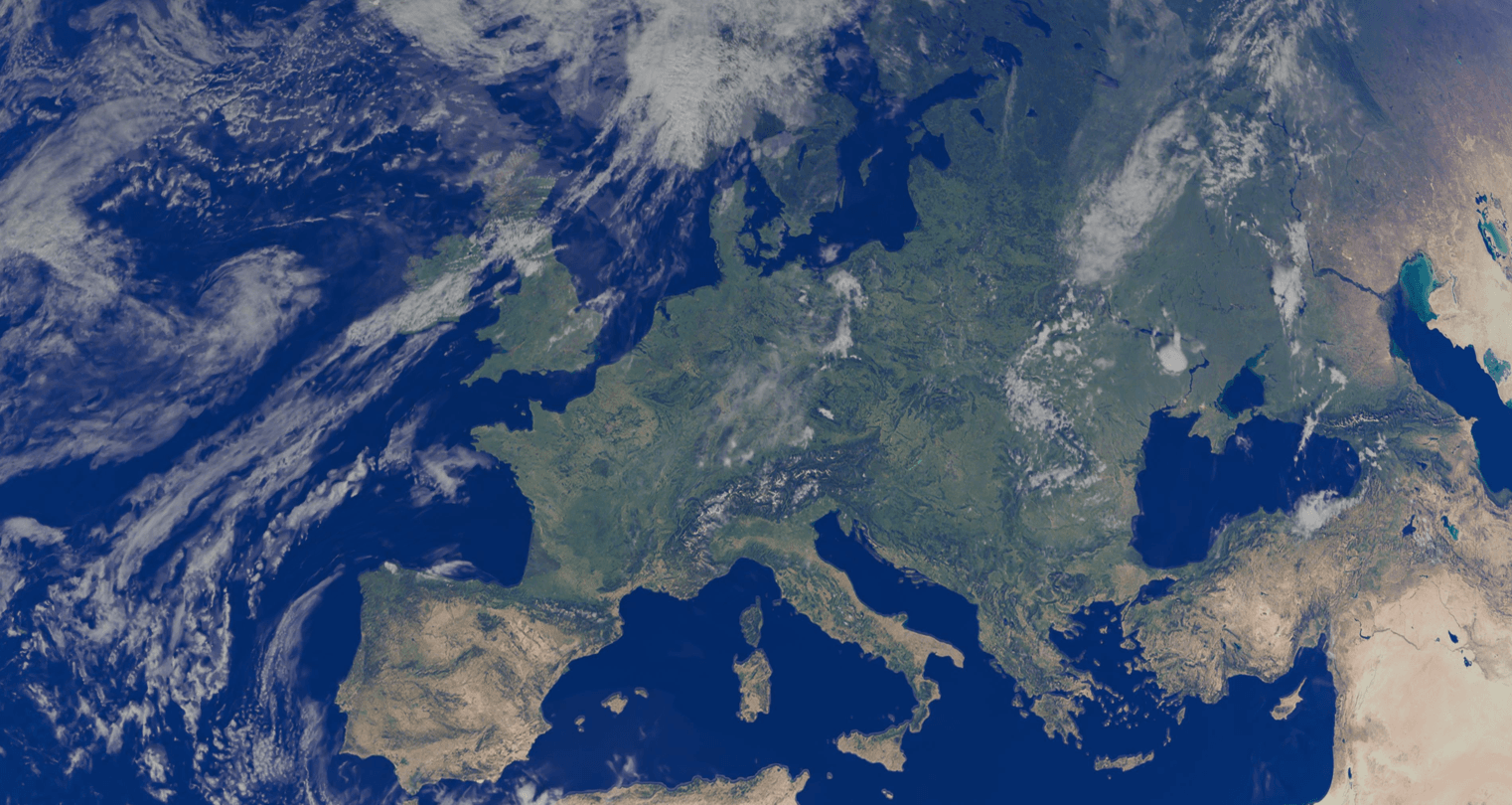
When appointing a corporate director, Companies House needs to know whether the company being appointed is based in an EEA country or a non-EEA one. This affects what additional details you'll need to provide, particularly Governing Law and Legal Form for non-EEA companies.
Key Takeaways
- The EEA is the 27 EU member states plus Iceland, Liechtenstein, and Norway, 30 countries in total.
- Switzerland are part of the EU's single market but not a member of the EU or EEA.
- The UK is not part of the EEA. It left both the EU and EEA on 31 January 2020.
- Non-EEA corporate directors need extra details on the appointment form: Governing Law and Legal Form.
- This distinction is separate from the broader rules around corporate appointments generally.
Which Countries Are in the EEA?
The EEA currently includes all 27 EU member states:
- Austria
- Belgium
- Bulgaria
- Croatia
- Cyprus
- Czechia
- Denmark
- Estonia
- Finland
- France
- Germany
- Greece
- Hungary
- Ireland
- Italy
- Latvia
- Lithuania
- Luxembourg
- Malta
- Netherlands
- Poland
- Portugal
- Romania
- Slovakia
- Slovenia
- Spain
- Sweden
In addition to the 27 EU members, Iceland, Liechtenstein, and Norway make up the final 3 members, taking it to a total of 30.
The UK is not on this list. It left the EEA alongside the EU as part of Brexit, completed on 31 January 2020, so a UK-based company appointed as a corporate director counts as non-EEA.
Why Does This Distinction Matter?
If the corporate director being appointed is based outside the EEA, you may need to provide extra details on the appointment. For the wider picture on corporate appointments, including what's changing under upcoming reforms to corporate directors generally, our guide to corporate appointments covers it in full.
FAQs
Is the UK part of the EEA for corporate director purposes?
No. The UK left the EEA alongside the EU on 31 January 2020, so a UK company appointed as a director counts as non-EEA.
How many countries are in the EEA?
30: the 27 EU member states, plus Iceland, Liechtenstein, and Norway.
What's the difference between the EU and the EEA?
The EU is the political and economic union of 27 member states. The EEA is broader: it includes all 27 EU countries plus Iceland, Liechtenstein, and Norway, extending the EU's single market to those three non-EU countries without full EU membership.
This article is for general information only and does not constitute legal advice. EEA membership and Companies House requirements can change, so it's worth checking current guidance before relying on the details above.