0207 608 5500





Search ideas, news and case studies
Blog Categories
How to Claim Business Expenses as a Limited Company or Sole Trader
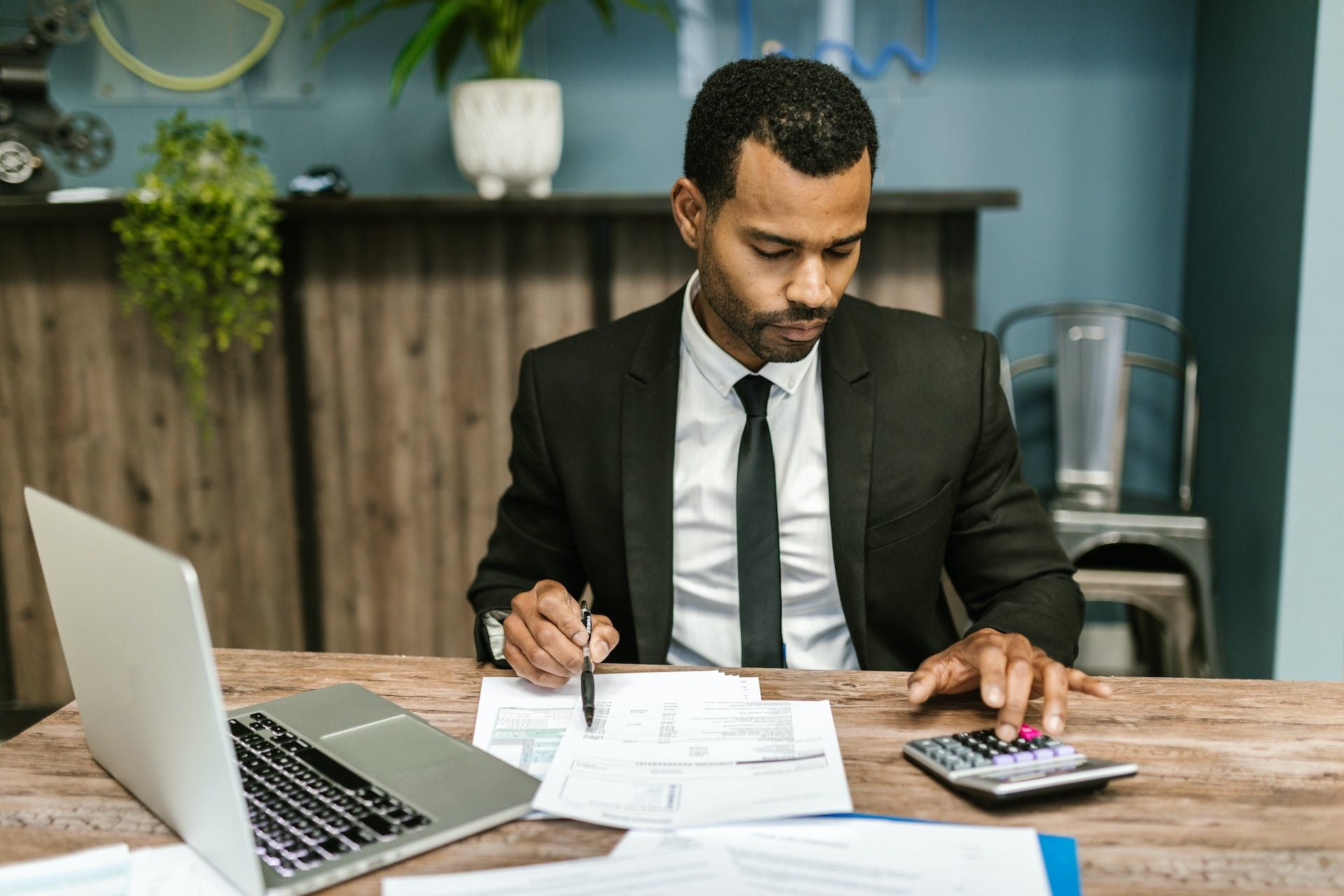

Business expenses are costs you incur wholly and exclusively for the purpose of running your business. Both sole traders and limited companies can deduct allowable expenses from their taxable income, which reduces the amount of tax you owe. Common examples include travel, equipment, office costs, and professional fees.
There's a lot to think about when you're self-employed: managing your workload, balancing the books, finding new clients. Understanding which expenses you can claim needn't add to that list. The process is simpler than it looks, and with a little guidance, you can claim with confidence. Here's what you need to know.
Key Takeaways
- A business expense must be incurred wholly and exclusively for business purposes to qualify. If you cannot demonstrate this, HMRC can refuse the claim.
- Limited companies deduct allowable expenses from profits before Corporation Tax is calculated. Sole traders deduct expenses through their annual Self Assessment tax return.
- Every expense must be backed by a receipt. Records must be kept for at least five years after the relevant Self Assessment deadline, or six years for limited companies.
- Mileage claims require a log showing the date, route, purpose, and distance of each journey. HMRC can and does refuse claims where records are incomplete.
- HMRC's simplified expenses scheme lets sole traders use flat rates for certain costs including mileage and home working, which can reduce the record-keeping burden.
What counts as a business expense?
Before we get to the “how”, let’s talk about the “what”. Knowing what constitutes an allowable business expense is the first step toward mastering this potentially fiddly job.
Business expenses are costs incurred wholly and exclusively for the purpose of running your business. If you can demonstrate that a purchase was made purely for business use, it will generally qualify as an allowable expense in the eyes of HMRC.
If you’re an electrician, you might need to purchase certain tools and equipment, like electrical tape or wire strippers. These would both be considered allowable business expenses in the eyes of HMRC, as they were purchased solely for business purposes. If you decide to buy a new washing machine, however, you’d have a hard time proving it was purely for the benefit of your business.
Common allowable business expenses include:
- Travel costs, such as train or bus tickets for business journeys
- Business mileage if you use your own vehicle
- Telephone and broadband costs used for work
- Computers, laptops, and other equipment
- Office supplies and stationery
- Professional fees, such as accountancy or legal costs
- Charitable donations
- Marketing and advertising costs
- Relevant training and development
For a more comprehensive list of what you can claim as a business expense if you are self-employed, check out the GOV.UK page here.
How do I claim expenses as a limited company?
If you’re running a limited company, you can deduct any business costs from your profits before tax, and you’ll need to report any item you make personal use of as a company benefit.
Paying for expenses
You can pay for business expenses directly from your company bank account, or pay for them personally and reimburse yourself later. If you reimburse yourself from company funds, keep a clear record of what was paid, when, and why. Without that paper trail, the expense could be queried by HMRC.
If you have employees
Employees can also claim business expenses, so it's worth having a clear expenses policy in place. This should set out what can be claimed, any spending limits, and how claims should be submitted. Collecting and filing expense claims at the end of each month keeps things manageable and ensures nothing gets missed.
Keeping receipts
Every expense claim needs to be backed by a receipt. Receipts must be kept for at least five years after the 31 January Self Assessment deadline for the relevant tax year, though six years is generally recommended to be on the safe side.
Paper receipts fade, so it's good practice to back them up digitally too. A photo on your phone or a scan stored in the cloud will last indefinitely and is much easier to retrieve if HMRC ever asks.
Recording business mileage
Mileage is one area where HMRC can and will refuse claims if records aren't detailed enough. You'll need a log that shows the date of each journey, the start and end points, the purpose of the trip, and the miles covered. A simple spreadsheet works well for this. You can download the Crunch Business Mileage spreadsheet to help keep track throughout the year.
Accounting software
If you're managing expenses manually, a spreadsheet is fine for most small businesses. You don't need to record every individual item separately, for example, ten packs of pens can be logged as one line. What matters is that the receipt exists and the total is accurate.
If you'd prefer a more automated approach, Crunch's online accounting software handles expense tracking alongside invoicing and tax, which can save time as your business grows.
How do I claim expenses as a sole trader?
Sole traders claim their expenses a little differently; they can claim their expenses when they file their annual Self Assessment; this is typically filed at the beginning of each calendar year (the deadline is 31st January after the end of each tax year for online filing), although you can file your Self Assessment any time from the end of each tax year on 5th April.
When to file
The Self Assessment deadline for online filing is 31 January each year, covering the previous tax year which runs from 6 April to 5 April. You can file any time after the tax year ends, so there's no need to wait until January. Filing early avoids the last-minute rush and gives you more time to query anything you're unsure about.
What to record
Keep a record of every business purchase you make throughout the year, along with the receipt. The same rules apply as for limited companies: receipts should be kept for at least five years after the filing deadline, and backing them up digitally is good practice.
Mileage should be logged with the date, route, purpose, and distance for each journey. Without this detail, HMRC can decline the claim.
Simplified expenses
HMRC offers a simplified expenses scheme for sole traders, which lets you calculate certain costs, including mileage, home working, and business premises, using flat rates rather than working out the actual amounts. This can make record-keeping easier, though it's worth checking whether the flat rate or actual cost method works out better for your situation.
For a full breakdown of sole trader expenses, including which costs qualify and how to record them, the Crunch sole trader expenses guide covers the detail in full.
Your accountant can help, too!
When in doubt, ask your accountant! When it comes to your business’ finances, there’s no such thing as a stupid question, so if you’re unsure whether you can claim a certain product or service as a business expense, ask your accountant for some guidance.
If you’re without an accountant, or you’re with one who’ll nickel and dime you for every call and question, don’t forget to check out the accountancy packages we offer for limited companies and sole traders alike. Our paid packages include a team of expert accountants and client managers that are available whenever you need them to answer your questions – and you’ll never be asked to pay extra to speak to them.
You might also be interested in Crunch Free, our free online bookkeeping software available to access right now! Crunch Free is perfect for those businesses that are just starting out, who manage their own tax filings, or those who already have an accountant and need a secure system to record their expenses and send their invoices.
Head on over to Crunch and discover how the can you help simplify self-employment today!
FAQs
What is an allowable business expense?
An allowable business expense is a cost incurred wholly and exclusively for the purpose of running your business. HMRC uses this test to determine whether an expense can be deducted from your taxable income. If a purchase has a personal element as well as a business one, it may not qualify in full.
What can I claim as a business expense?
Common allowable expenses include travel costs, business mileage, telephone and broadband, equipment, office supplies, professional fees, marketing costs, and relevant training. The full list depends on your business type and circumstances. GOV.UK publishes detailed guidance for both limited companies and sole traders.
What's the difference between claiming expenses as a sole trader and as a limited company?
Sole traders claim expenses through their Self Assessment tax return, deducting costs from total income before tax is applied. Limited companies deduct expenses from profits before Corporation Tax is calculated. The underlying test for what qualifies is the same, but the process and the tax treatment differ.
Do I need receipts for every expense?
Yes. Every expense claim should be backed by a receipt or equivalent record. Without evidence of the purchase, HMRC can refuse the claim. Receipts should be kept for at least five years after the 31 January filing deadline for the relevant tax year, with six years generally recommended.
Can I claim mileage as a business expense?
Yes, but you'll need to keep a mileage log that records the date, start and end points, purpose of the journey, and distance covered for every trip. HMRC can and does refuse mileage claims where records are incomplete.
What is the simplified expenses scheme?
It's an HMRC scheme available to sole traders that lets you calculate certain costs, including mileage, home working, and business premises, using flat rates rather than actual amounts. It can simplify record-keeping, though it's worth checking whether the flat rate or actual cost works out better for your situation before committing to it.
Can limited company employees claim expenses too?
Yes. Employees of a limited company can claim allowable business expenses, provided they have receipts and the costs meet the wholly and exclusively test. It's good practice to have a clear expenses policy in place so everyone knows what can be claimed, how, and by when.
How long do I need to keep expense records?
HMRC requires sole traders to keep records for at least five years after the 31 January Self Assessment deadline for the relevant tax year. Limited companies must keep records for at least six years from the end of the accounting period they relate to. Keeping digital backups alongside paper copies is strongly recommended.
What happens if I claim an expense I shouldn't have?
If HMRC queries an expense and you can't support the claim with evidence, you may have to repay the tax relief received, along with potential interest and penalties. If you're unsure whether something qualifies, it's worth checking with an accountant before claiming rather than after.
Do I need an accountant to claim business expenses?
No, but an accountant can help you make sure you're claiming everything you're entitled to and nothing you're not. For straightforward businesses with simple expenses, managing it yourself with good records and accounting software is entirely possible. For more complex situations, professional advice is often worth the cost.
This article is for general information only and does not constitute legal or tax advice. Rules and thresholds can change, so it's worth checking the latest guidance on GOV.UK or speaking to a qualified accountant before making decisions.