0207 608 5500





Search ideas, news and case studies
Blog Categories
Our Guide to Small Business Insurance
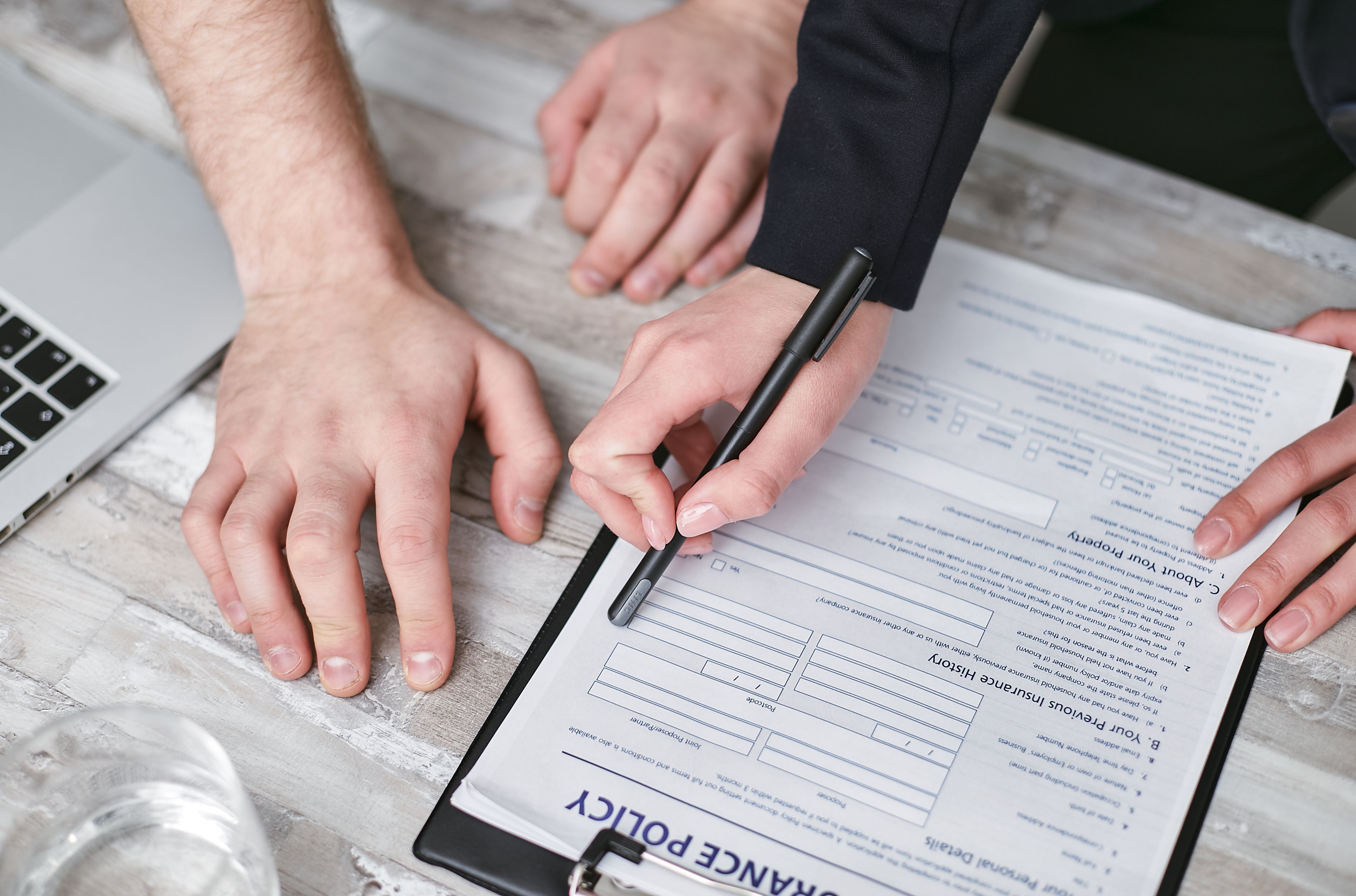

Most types of business insurance aren't legally required for small businesses in the UK. But that doesn't mean they're optional in any meaningful sense. A single claim, whether it's a client injury, a professional mistake, or a theft, can cost far more to deal with out of pocket than any annual premium.
This guide covers the most common types of insurance available to small businesses, which ones are mandatory, and how to work out what your business actually needs.
Key Takeaways
- Employers' liability insurance is the only legally required business insurance in the UK. If you have employees, you must have it with a minimum cover of £5 million or face a fine of £2,500 per day.
- Professional indemnity insurance covers compensation claims from clients who believe your advice or work caused them a financial loss. Some industries require it as a condition of operating.
- Public liability insurance covers injury or property damage to members of the public caused by your business. Product liability covers harm caused by goods you supply, even if you did not manufacture them.
- Standard home insurance policies typically do not cover business equipment or activities. If you work from home, you may need separate business contents cover.
- Incorporating as a limited company legally separates your personal assets from business liabilities, providing an additional layer of protection alongside your insurance policies.
What Are the Different Types of Small Business Insurance?
Employers’ Liability Insurance
This is the only insurance that's a legal requirement for small businesses in the UK, and it applies the moment you take on an employee. The policy must come from an authorised insurer and provide a minimum of £5 million in cover.
The purpose is straightforward. If an employee is injured or becomes ill because of something related to their work, they have the right to make a claim. Without insurance, you'd be covering any compensation and legal costs yourself. With it, your insurer handles it.
The fine for not having employers' liability insurance is £2,500 for every day you're without it. It's not an area to cut corners on.
One important clarification: if you're the sole director, sole shareholder, and only PSC of your company, with no other employees, you don't need it. It's specifically for businesses with staff.
Professional Indemnity Insurance
Worth considering if your business involves giving advice, making recommendations, or delivering a professional service. It covers compensation claims from clients who believe your work caused them a financial loss.
Common claims it covers:
- Mistakes or errors in your work
- Advice that leads to a client losing money
- Confidentiality or data breaches
- Copyright infringement
Even if a claim has no merit, you'll still incur legal costs defending it. That alone is why many businesses carry this cover.
In some regulated industries, such as law, accountancy, finance, and healthcare, professional indemnity isn't optional. It's a condition of operating. Check with your professional body if you're unsure.
Public Liability and Product Liability Insurance
Two different types of cover, often sold together.
Public liability covers you if a member of the public is injured or their property is damaged as a result of your business activities. Examples include:
- A customer slipping in your shop
- Debris from a job damaging a parked car
- A client tripping over your equipment on their premises
If your business involves any public interaction, whether people come to you or you go to them, this is worth having. Restaurants and other businesses in the service sector will often have this particular type of insurance.
Product liability covers claims arising from physical goods you supply. If a product causes injury or illness, you can be held liable even if you didn't manufacture it. This applies whether you sell from a physical shop or online.
Both types of cover can be used to pay compensation and legal costs.
Buildings and Contents Insurance
If your business operates from a physical space, this covers damage, theft, fire, and flooding.
- Rented premises: your landlord's buildings insurance covers the structure. You're responsible for the contents.
- Owned premises: you'll need both buildings and contents cover.
- Working from home: most standard home insurance policies exclude business equipment and activities. Check your policy and consider a separate add-on or business policy if you run your business from home.
Stock Insurance
If your business holds significant physical stock, this covers the cost of replacing inventory that's lost, stolen, or damaged. Without it, a fire or break-in could leave you unable to fulfil orders and out of pocket for stock you've already paid for.
Other Things to Consider
There are plenty of other policies worth knowing about depending on your situation:
- Business interruption insurance
- Cyber insurance
- Key person insurance
- Vehicle insurance for business use
Your industry's regulatory or professional body is the best starting point for understanding what's expected or required in your sector.
It's also worth thinking about your business structure. Incorporating as a limited company creates a legal separation between your personal assets and the business, which works alongside insurance as an extra layer of protection.
FAQs
Is business insurance a legal requirement?
The only legally required insurance is employers' liability, and only if you have employees. Most other types are optional from a legal standpoint, though some may be required by your industry regulator or by clients as a condition of working together.
What's the difference between public liability and professional indemnity?
Public liability covers physical harm or property damage to members of the public. Professional indemnity covers financial losses a client suffers because of your advice or services. They protect against different types of claim, and many service-based businesses carry both.
Does home insurance cover my business?
Usually not. Most standard home insurance policies exclude business activities and equipment. Check your policy and consider whether you need separate cover for business equipment, stock, or clients visiting your property.
How much does small business insurance cost?
It varies depending on the type of cover, your industry, and the size and risk profile of your business. A sole trader consultant will pay considerably less than a construction firm with employees. Get a tailored quote rather than working from general estimates.
Do I need product liability insurance if I only sell online?
Yes, if you sell physical goods. Selling online rather than in a shop doesn't affect your liability if a product causes harm. You can be held liable as the seller even if you didn't manufacture it.
What happens if I don't have the right insurance?
Without employers' liability, you face a £2,500 daily fine. Beyond that, any claim, from a client, employee, or member of the public, falls entirely on you. Legal fees and compensation can be significant enough to seriously damage a small business without adequate cover.
Do I need insurance as a sole trader?
There's no legal requirement unless you have employees. But professional indemnity and public liability are still worth considering depending on your work. As a sole trader your personal assets aren't legally protected the way a limited company director's are, which if anything makes the right insurance more important.
This article is for general information only. Insurance requirements vary depending on your industry, business structure, and individual circumstances. Always check with your industry's regulatory body and speak to a qualified insurance adviser before making decisions about cover.