0207 608 5500





Search ideas, news and case studies
Blog Categories
Looking for a Workspace in London? Introducing Day Offices
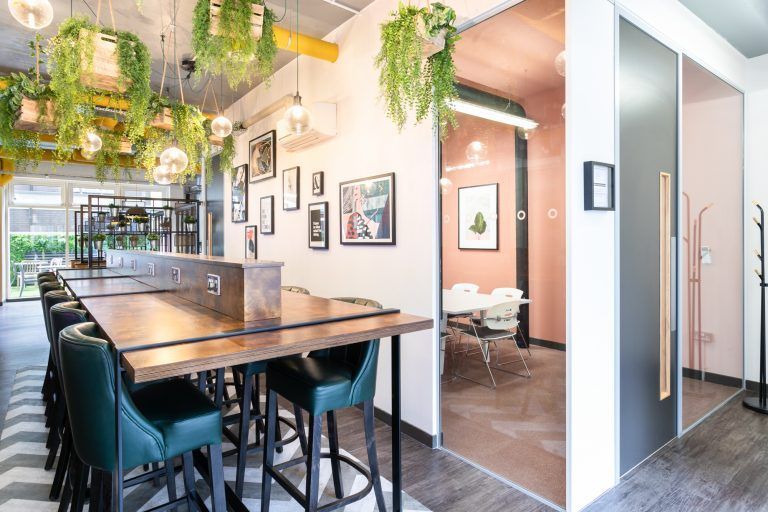

Working from home suits a lot of people, most of the time. But there are moments when it just doesn't cut it. A first-time client meeting. A full-team planning day. A deadline you really need to focus on, away from the distractions of home.
For those moments, a day office makes a lot of sense.
It's not a co-working desk in a busy open-plan room, and it's not a long-term lease you're committed to for the next 12 months. A day office is a private, bookable space you hire for as long as you need it, whether that's a couple of hours or a full day.
This guide explains what day offices are, who they suit, and what's worth considering if you're looking for one in central London.
Key Takeaways
- A day office is a private workspace you can hire by the hour or day, with no ongoing commitment.
- They work well for freelancers, remote workers, small teams, and anyone who needs professional space occasionally.
- Common uses include focused solo work, client meetings, team away days, and workshops.
- Central London day offices typically include Wi-Fi, screens, and access to shared facilities.
- For occasional use, they're often more cost-effective than a co-working membership or short lease.
What Is a Day Office?
Put simply, it's a private room you rent for a set period of time.
Unlike an open-plan co-working space, you're not sharing the room with strangers. You have it to yourselves, which makes a real difference when you need to concentrate, have a sensitive conversation, or run a structured session without someone at the next desk listening in.
Most day offices come with the basics covered: reliable Wi-Fi, a large screen, whiteboards, and access to a kitchen or communal area. You turn up, get to work, and leave when you're done.
Who Uses Day Offices?
Freelancers and sole traders are probably the most common users. Sometimes you need a proper environment for a client meeting, and your home office or the local café isn't the right setting. A day office solves that without the overhead of a permanent space.
Small business owners use them for team days, department meetings, or planning sessions where a neutral space helps people think more clearly. Remote-first companies find them useful for bringing people together occasionally, without the cost of keeping a permanent office just for that purpose.
Why They're Worth Considering
Flexibility. Most day offices can be booked at short notice, and the terms are far more straightforward than a traditional lease. If your plans change, you're not locked in.
Privacy when you need it. Cafes and open co-working spaces can be hard to predict. You might get a quiet corner, or you might end up next to someone on a loud video call. A day office removes that uncertainty entirely.
A more professional first impression. Meeting a client from home or a coffee shop isn't always the right call, particularly early in a relationship. A professional space in a central location gives meetings a different feel, and not just for the client's benefit.
Pay for what you use. If you only need space occasionally, a day office tends to be more cost-effective than a monthly co-working membership or a short-term lease. You're not paying for days you're not using.
Good for teams, not just individuals. Bringing your team together in a dedicated space, even once a month, can improve how well people work and communicate. It doesn't have to be a big production.
What People Use Day Offices For
A day office is ideal for client meetings, but they offer so much more than that. Other use cases include:
- An alternative office space
- Hosting team away days
- Department meetings
- Workshops
- Networking events
- Seminars or talks
Day Offices in Central London
Central London has plenty of options, from large serviced office buildings to smaller flexible workspace providers. When you're choosing, it's worth thinking about location and how easy it is for guests to get there, the size of the room, what's included in the price, and how straightforward the booking and cancellation process is.
Companies MadeSimple offers day office hire at its central London location. Rooms are available for a range of uses, including working days, client meetings, and team away days. If you already use a Companies MadeSimple registered office address service, you can host meetings at your registered address, which keeps things consistent.
You can view available rooms and check booking options on our booking page.
FAQs
What's the difference between a day office and a co-working space?
A co-working space is usually open-plan and shared with other people. A day office is a private room you book exclusively for yourself or your team. That makes it better suited to meetings, confidential work, or anything where you'd rather not have an audience.
How long can I book a day office for?
Most providers offer hourly, half-day, and full-day bookings. Some allow multi-day bookings too. It's worth checking the specific options when you book.
What equipment is usually included?
Most day offices have Wi-Fi, a large screen or TV, whiteboards, and stationery. Some also offer printing, a kitchen, and a reception area. Always worth checking before you arrive.
Are day offices suitable for client meetings?
Yes, and they're often a better option than meeting at home or in a coffee shop, particularly for more formal or first-time meetings where you want to make a good impression.
Can I use a day office as my business address?
No. Hiring a day office doesn't give you a registered office or business address. Those are separate services. If you need a business address, a registered office address service or mail forwarding service is what you're looking for.
Is it more affordable than renting a permanent office?
For businesses that only need space occasionally, yes. You pay for the time you actually use, which is usually more cost-effective than a monthly co-working subscription or short-term lease.
What should I look for when choosing one in London?
Location and transport links matter, especially if clients or colleagues are travelling across the city. Beyond that, think about room size, what's included, and how flexible the booking terms are.